
 Channels
 Features
 Integration
 Service
 Blog
Blog 
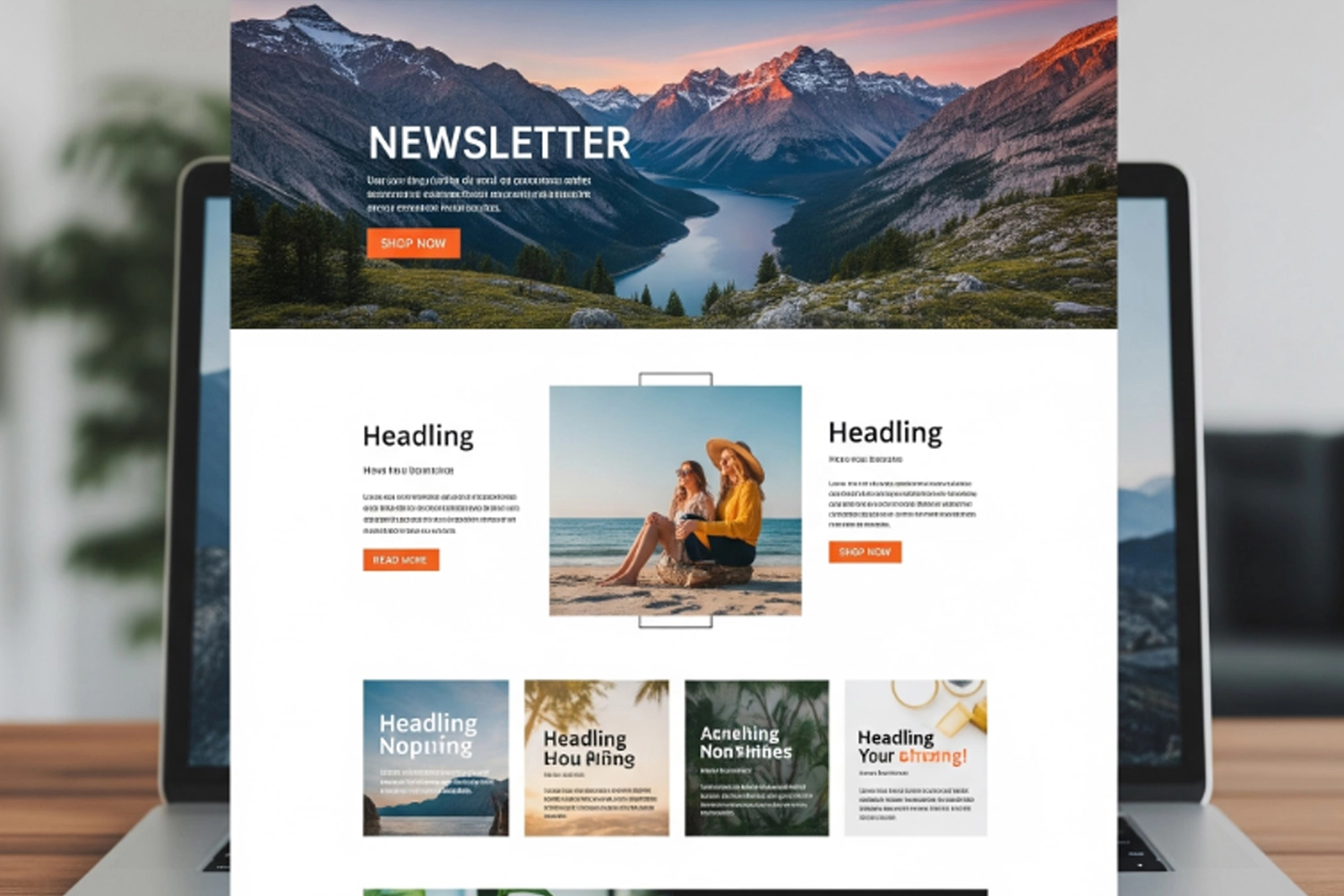
Discover the 10 keys to a successful in-house newsletter
Internal newsletters remain one of the most effective channels for informing, uniting, and engaging employees. However, many companies still struggle to generate genuine interest: they are too institutional, too long, or simply not targeted enough.
So, how can you create an internal newsletter that really grabs attention? Here are 10 essential tips for turning this tool into a real driver of engagement.
1. Set a clear goal
Before writing, ask yourself: what is the purpose of this newsletter?
To provide news updates? To highlight successes? To promote corporate culture?
Each edition must have a specific purpose to avoid dispersion and ensure editorial consistency.
2. Identify your audience
The expectations of a production worker, a manager, and a sales representative are not the same.
👉 Segment your mailings to adapt the tone and content.
Targeted communication is always more relevant than a blanket message.
3. Develop a human and embodied tone
No more corporate jargon! A successful internal newsletter speaks with employees, not at them.
Highlight testimonials, interviews, and feedback. Make your messages more authentic and relatable.
4. Focus on conciseness and clarity
Attention is precious: a newsletter should be short, readable, and structured.
Opt for short paragraphs, catchy headlines, and visuals to break up the content.
5. Pay attention to design and reading experience
Content isn't enough—form matters too.
A clean, responsive design that's recognizable to your brand reinforces the impact.
And if your newsletter integrates directly into the work environment (as in Gmail via We Advocacy), visibility is even better.
6. Vary content formats
News, quizzes, mini-polls, videos, success stories, interviews...
A mix of formats makes reading more dynamic and allows us to meet a variety of expectations.
Interactivity is an excellent lever for engagement.
7. Valuing employees
Nothing brings people together more than highlighting the initiatives, successes, and faces that make up the company.
It's a simple way to strengthen the sense of belonging.
8. Incorporate calls to action
An internal newsletter should not only inform, but also encourage action:
Sign up for an event, take a survey, consult a resource, share feedback...
CTAs structure the reading experience and measure the effectiveness of your messages.
9. Analyze the results
Statistics are your allies: open rates, click-through rates, most-read sections, etc.
This data allows you to adjust your future mailings and understand what really captures your employees' attention.
10. Establish regularity
The key to a successful newsletter? Consistency.
It is better to publish regularly (weekly, bi-monthly, monthly) than to communicate randomly.
Your audience will know when to read you, and trust will develop.
In conclusion
The internal newsletter is not just a channel for information: it is a strategic tool for strengthening corporate culture, commitment, and team cohesion.
By applying these 10 keys, you will transform your newsletter into something your employees look forward to receiving rather than dreading.